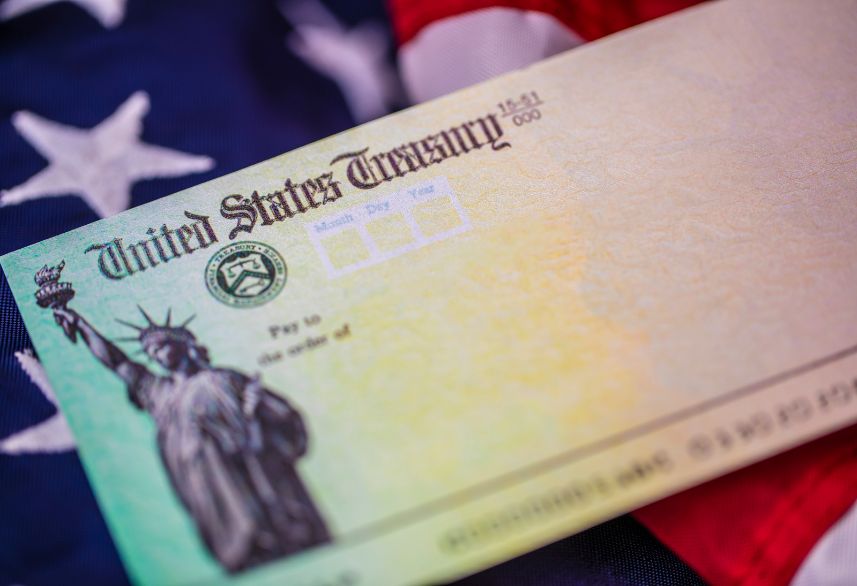
Treasuring Fine China
In case you’ve been living under a rock the last several years, here’s a news flash: China’s booming economy is having a big impact on the world, and the U.S. in particular.
And whether you like it or not, or agree or disagree with U.S. policy toward China, it doesn’t really matter. China matters. So, we’re learning to pay attention to China.
In case you aren’t convinced, consider that Chinese demand for raw materials (cement, steel, lumber, oil, etc.) create more demand which drives up prices. So if and when U.S. builders start building again, their costs will be higher. This means the properties they build will cost more. Which means that existing properties’ values will be pulled up by rising replacement costs.
What??? How, you ask, can we talk about rising prices when everything’s in the dumper?
It’s easy. As long as people do what they do, populations grow. The need for buildings continues in spite of the economy. And the last time we looked, people will do without a lot of things before they skip having a roof over their head. So it’s only a matter of time before building begins. Meanwhile, we sit in a rare window of time where there are low interest rates and lots of properties selling at or below replacement costs. Just something to think about…
And speaking of interest rates…
Did you hear what Morgan Stanley Asia’s honcho Stephen Roach told CNBC? He thinks China may decide to stop lending money to Uncle Sam.
In case you’re holding your breath waiting for the super-duper council of 12 deficit reduction committee to balance the U.S. budget, even if Uncle Sam miraculously produced a surplus, he still has lots of short term debt that needs to be refinanced. So if China doesn’t re-up, then who’s got the horsepower to feed the U.S. debt addiction? Greece? Spain? Italy?
Time out. Before your mind wanders off, let’s talk about why real estate investors care about all this.
Real estate investors get rich doing leveraged buyouts. Really! Just like some corporate raider. You find an income producing business (a rental property), then go get financing to purchase it. Then you use the income from the business to pay off the loan.
So, if your goal is to own a lot of these properties, you will have a lot of loans (what we affectionately refer to as “good debt”), and your cash flow will be substantially affected by interest rates. Right now, in case you’ve been napping, interest rates are REALLY LOW. And if you lock them in for the long haul, it’s hard to imagine you’ll be regretting it down the road.
But if the Chinese stop buying U.S. debt (Treasurys), then (says Mr. Roach), the U.S. may have to pay (gasp!) higher interest rates to attract buyers. And if U.S. Treasurys go up, you can bet real estate loans will be right behind them. See? Get the connection?
However, as previously posed, this presupposes there is a buyer out there with a big enough checkbook to meet Uncle Sam’s needs. If not China, then who? And if there isn’t another economy strong enough out there to buy up trillions in U.S. debt, then are there buyers at any interest rate?
So here’s another take: If China goes away, in part or in whole, our guess is that Big Ben Bernanke will get out his magic checkbook and, either directly or indirectly, will pick up the slack. In this case, Big Ben isn’t concerned with interest rates (after all, his cost basis for the money is zero), so the issue isn’t rising interest rates, it’s an increasing money supply. In other words: inflation.
(In case you missed it, we did a series of blogs on this topic when everyone was getting their undies in a bunch over the debt ceiling debate. If you want to learn more about Big Ben’s magic checkbook, search our site for “The Great Debt Ceiling Debate” or click here for Part 1 of the 5 part series.)
Here’s the bottom line (which is why it’s conveniently located at the bottom): No one knows what China will do. But if you understand the mechanics of the money, then you can make a plan A, B, C and D. And there’s even more letters available if you want to go farther than that.
If China goes away, and Mr. Roach is right and interest rates rise, do you want to be sitting on lots of low interest rate debt locked in for the long haul and being paid for by people who have to rent because home loans are too expensive to buy? We do.
If China goes away, and Big Ben’s magic checkbook comes into play, and inflation is fueled, do you want to own real assets (like commodities and real estate) that go up in value (over time…be patient) as replacement costs rise? Check.
If China keeps on buying, but demands higher interest, go to plan A.
If China keeps on buying, and is content with ridiculously low interest rates, even if the Fed doesn’t intervene, won’t low interest rates eventually lead to inflation? (Yes, they do. The whole reason the Fed alleges it keeps interest rates low is to “stimulate” the economy). Go to plan B.
We’re not saying the current de-leveraging (the U.S. is still suffering from a major sub-prime hangover) won’t suppress prices for the next few years. But if you’re a buyer, aren’t low prices, low interest rates, and a growing rental population all good things for right now?
Squish Happens
Most people believe bubbles “burst”. When people talk about the decline of tech stock values at the turn of the century, they say “the tech bubble burst”. Of course, lately it’s all about the “real estate bubble” bursting. Over the last two years, The Real Estate Guys™ have taken some criticism over one of our TV shows where we said, “Real estate bubbles don’t burst”.
But we’ll stand by that. Bubbles don’t burst – at least not as long as whatever is underneath them is real. And there isn’t much that’s more real than real estate.
So we say bubbles are squishy. In fact, the term “bubble” (in the context of referring to a rapid run up of prices) is really a misnomer. Better to say “balloon”.
When you squeeze a balloon, it squishes. It comes out the sides or goes between your fingers; it just finds someplace else to go.
So you’ve heard that real estate prices have dropped. There’s deflation. Equity is gone. Everyone’s underwater. Life as we know it is over. It’s real estate Armageddon.
Then you see (like we did) today’s Wall Street Journal article, “Hong Kong Land Sale Raises Worry of a Bubble”.
A bubble? Didn’t it burst?
Well, no. Actually, it squished.
According to the Wall Street Journal:
“Government officials here (Hong Kong) grapple with how to cool off overheating property prices”.
When’s the last time you heard “overheating” and “property prices” in the same sentence? It almost seems like an oxymoron, like “reliable copier”.
Here’s another excerpt:
“The big (land purchase) came after (the real estate developer) sold 900 apartment units in a major new residential complex over the weekend for a total of US$541 million.”
If you do the math, that’s over $600K per unit! In ONE weekend. We haven’t seen THAT in the US for awhile.
More…
“In China…home prices have risen as much as 25% in the past year and land values have doubled.”
That’s this past year, as in 2009. You know, when US prices were in their third year of decline.
Now, consider where much of the money that fueled the US real estate bubble came from. Get it?
The bubble squished. But if your perspective is too narrow, you might think it burst. Especially because that’s what everyone says. And if you think bubbles burst, then you will quit the game and hide in your FDIC insured bank account. Meanwhile, as the dollar crashes, you’re savings become worth less and less.
We have two main points:
First, real estate is an asset class unlike any other. It’s real (permanent). Gold and other commodities can also make this claim so, in and of itself, being real doesn’t make real estate utterly unique as an investment.
But, unlike virtually every other investment, real estate’s value is not universal. Real estate values vary by markets and sub-markets, and those markets are global as we can clearly see.
Compare that to gold, which is also real. If an ounce of gold is selling for $1200, it’s the same price all over the world. There’s no squish, except to another asset class.
To really look at it right, you can’t think of real estate as an asset class. You almost have to think of each property, or at least each market or sub-market, as an asset class. So when one is down, another is up. Squish. Like stocks and bonds, gold and the dollar, etc.
But the big thing (our FAVORITE) that makes real estate unique, is that it can be financed with bank or private funding and debt serviced by tenants. This makes it VERY conservative when structured properly. Why? Because even if the property declines in value, as long as it produces enough net operating income to amortize the loan (meaning the tenants are paying down your loan) some day it will be paid off. Then it just generates cash flow forever. That’s a beautiful thing. Form that perspective, squish doesn’t matter that much.
Our second main point is that right now many people are forming new financial paradigms as a result of what they’re seeing and experiencing. The people who lived through the Great Depression came out of it with very powerful convictions about how they viewed and handled money. There were many great attitudes such as frugality, saving; and loyalty and appreciation for the opportunity to work. We would all be better off by adopting these attitudes.
However, many of those same people missed out on some of the greatest opportunities in modern history because they brought a lot of fear and rigidity out of the trauma of the Depression. Many people were hyper-conservative.
To be clear, we aren’t suggesting anyone should take risks they aren’t comfortable with. And we aren’t criticizing anyone’s personal investment philosophy – no matter how conservative it might be. We’re certainly more cautious about the risks we take these days.
We are merely suggesting to be mindful of the temptation to be hyper-conservative in terms of your willingness to be an investor. If you won’t invest in your education or take time to investigate opportunity, you’ve probably decided “investing is too risky” and have effectively quit. You think the bubble burst, the game is over, and there is no opportunity. Or it’s so far off or you’re so out of position that you’re on investing sabbatical. This is probably not you, or you wouldn’t be reading a blog like this. But, there are lots of people who have quit – or are in various stages of quitting. Make sure you know who you are and that you’re honest about it.
Now is a great time to be getting started (or re-started). Talk to the people you know about real estate investing and see what they say – and watch what they do. How are their attitudes changing as a result of the last three years? What’s their game plan going forward? Ask yourself those same questions.
Remember, squish happens. As an investor, you want to pay attention to the flow of capital and try to be on the right side of squish. And since you know squish happens, be sure to structure your deals to survive if you’re on the wrong end of it. We’ll be talking more about this in the future.
Most of all, make sure you take the right lessons out of this Great Recession. The right lessons are those that make you a better investor, not those that push you back to being merely a saver or a non-participating observer. Invest in your education. Investigate and evaluate opportunities. Keep your head in the game, even if you’re on the sideline temporarily.
We’d love to hear from you! Use our feedback page to tell us how this recession has affected your investing philosophy and strategy. What are the people around you saying and doing? Where do you see opportunity and why? What are you doing to broaden your horizon, increase your education and increase your network?
1/3/10: Happy New Year with Gary Eldred – What Does 2010 Hold?
The easiest thing in the world to do is predict the past. But what about the future? As we enter a brand new decade, what does the future of real estate look like? To find that out, The Real Estate Guys climbed the proverbial technology mountain to connect with a real estate sage – all the way from Dubai!
Sitting on the mountain top for this broadcast:
- Your real estate guru, Robert Helms
- Pillow fluffer and co-guru, Russell Gray
- Trump University faculty member, best selling author, seasoned real estate and renowned consultant, Dr. Gary Eldred, PhD.
Digging through technological challenges, The Real Estate Guys mined some golden nuggets of wisdom from special guest, Gary Eldred who called in all the way from Dubai! As someone who has studied, taught, invested, and consulted on real estate for decades, Dr. Eldred has earned the right to have an opinion. We talk stocks, bonds, gold and real estate. Gary tells us which asset class he believes will outperform all others in the new decade – and why.
Gary also reveals his strategy for hedging against economic uncertainty. He tells us which type of mortgage he prefers right now and why. As one of the most well traveled investors we know, we also were intrigued by Gary’s comments China, India and Africa – and how what’s happening there affects real estate in the US and other parts of the world. Of course, since he was calling from Dubai (where he is currently working) and Dubai’s been top of the financial news recently, we made sure to talk about that too!
Don’t miss a show! Subscribe to the Free Podcast
Want More? Sign Up for The Real Estate Guys Free Newsletter!
Home Construction Slows – Good or Bad?
The AP headline this morning says “Stock Market Slumps as Home Construction Slows”. Oh no! We can hear the pitter patter of mutual fund investors’ feet running to their computers to check the damage to their 401k.
Funny, but when we look at our computer, we see interest rates on 30 year fixed mortgages back under 5%. Even jumbos are under 6%! Meanwhile, gold, oil, car prices and CPI (Consumer Price Index) are all up. (Hint: those are signs of inflation).
When you put all that in the blender, what do you get? Well, it depends on what color glasses you’re wearing. (Too many metaphors? Sorry.)
Here’s the deal plain and simple: In the US, home and apartment construction is not growing as fast as the population. Rents are not falling as fast as prices. Interest rates are ridiculously low. Toss in gobs of people unemployed, which means they’re missing payments and wrecking their credit. They won’t be able to buy a home for awhile, so if they can’t keep the one they have, they will be renting.
So what do we have?
• A growing population and influx of people going from homeowner to renter means more demand for residential rentals.
• Less new apartments and homes coming on line mean less supply.
• More competition for fewer rental units means upward pressure on rents, in spite of a weak job market. Why? Because people need a place to live. Next to food, it’s pretty high on most people’s priority list.
• Low interest rates means if you or your investment partners are credit worthy, you can get great (i.e., low) long term interest rates on loans just before what many believe will be an inflationary cycle. Inflation means anyone in debt will win as the value of the dollar falls. This is why China is a little miffed at Uncle Sam. China holds a lot (if you think a trillion is a lot) of US debt and are concerned about a falling dollar.
• Low interest rates also mean lower payments. Lower payments make it easier to get a property to cash flow without 80% down. To quote from that fabulous book Equity Happens, “Cash flow controls mortgages. Mortgages control properties. Properties will make you wealthy over time.” This is true with or without inflation (i.e., appreciation), because you are using the tenant’s money to pay off the loan. No other investment lets you do that.
Additional opportunities exist for the extra ambitious. We call it finding and forcing equity. How? With less new units coming on line and many banks and overextended owners letting their properties fall into disrepair, there are opportunities to buy someone else’s problem cheap. Then, fix it up, rent it out and wait. If things go your way, you may be able to refinance to get your original investment out – and now you’re in for free. Kiyosaki calls this “infinite return”. We like it.
Of course, it’s not all rosy. Unemployment is still a concern. And financing (especially refinancing) is harder to qualify for. But, if it were easy, then everyone would do it and there wouldn’t be opportunity. Hey, wait a minute. It’s easy to buy mutual funds, isn’t it? And everyone does it, don’t they? Hmmmmm…..
Want More? Sign Up for The Real Estate Guys Free Newsletter!
Did you know that Backstage Pass Members get audio blogs? Save your tired eyes and make your ears do the work! Become a Backstage Pass Member today!